

University and college student counselling
University and college student counselling and psychotherapy can be considered a laudable initiative as essential services deployed and became increasingly…
Read MoreSignages posted anywhere remind motorists and drivers of their safety and security. However, accidents can never be avoided due to some factors affecting them. In cases of vehicular accidents, counselling takes a crucial part in responding to the traumatic experiences felt by the victims.
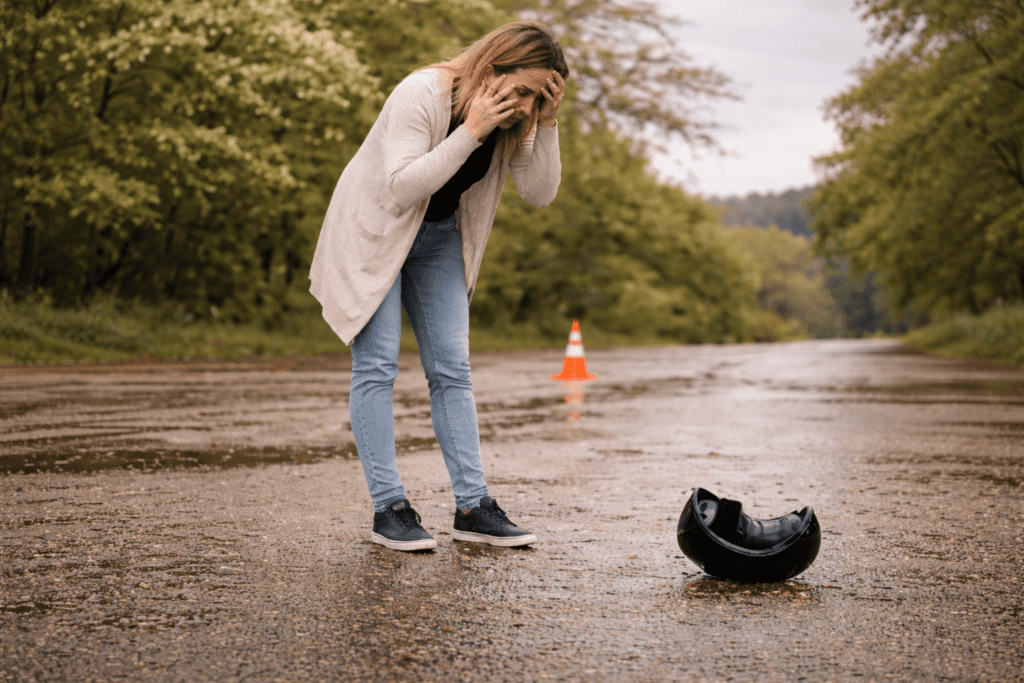
Signages posted anywhere remind motorists and drivers of their safety and security. However, accidents can never be avoided due to some factors affecting them. In cases of vehicular accidents, counselling takes a crucial part in responding to the traumatic experiences felt by the victims. Safety nets shall be ensured for the victims and those affected. Motor Vehicle Accident (MVA) counselling has become gradually prevalent in recent years as a way of providing emotional and psychological support to those who have been affected by motor vehicle accidents, especially the victims. In addition, there are reported issues that MVA client experiences, such as driving anxiety, depression, PTSD, concern about health, physical pain, and disability, fear of further accidents, impaired concentration, sleeping issues, and nightmares.
Psychotherapy and counselling have ensured MVA clients improve their quality of life by empowering them to adapt to the physical, emotional, and psychological changes they have experienced.
The above-mentioned issues would be addressed through psychotherapy and counselling which can help MVA clients find relief from the symptoms by processing the experience, exploring their emotions, and developing coping strategies in dealing with the psychological consequences of their accidents. In relation, counsellors have the opportunity to work with clients to help them rebuild confidence in their ability to drive safely and reduce any phobias related to the accident. Further, psychotherapy and counselling have ensured MVA clients improve their quality of life by empowering them to adapt to the physical, emotional, and psychological changes they have experienced as well as gain a better understanding of their body’s needs including any special requirements related to their physical or mental health.
Signs that MVA clients need urgent counselling for their quick recovery:
Reports revealed that MVA clients acquired a multitude of benefits after obtaining counselling and psychotherapy which include improved sleep hygiene, coping with after-accident stressors, managing anxiety symptoms, and overcoming fears about the future of their health. In addition, the MVA clients firmly stated that they gained control over their growing anxiety as they approached interactions, which emotionally reduced the severity of their PTSD symptoms. However, one of the main benefits reported by MVA clients was improved concentration and memory which allowed MVA clients to engage in activities that were difficult or impossible before they received counselling and psychotherapy. Moreover, the MVA clients recounted an improved ability to handle the pain which permitted them to take part in any activities with greater ease and reduced stress levels. In addition to these psychological benefits, MVA clients explicitly stated that they had improved social connections and rapport with family, friends, and the community.
Our intake team can guide you to the best service based on your goals and comfort.
University and college student counselling and psychotherapy can be considered a laudable initiative as essential services deployed and became increasingly…
Read More
Post-migration: discrimination, language barriers, difficulty obtaining legal status or employment, separation from family members, and disruption of cultural ties are…
Read More
Anger management is a type of counseling that can help people better understand and manage their anger. It is designed…
Read More